
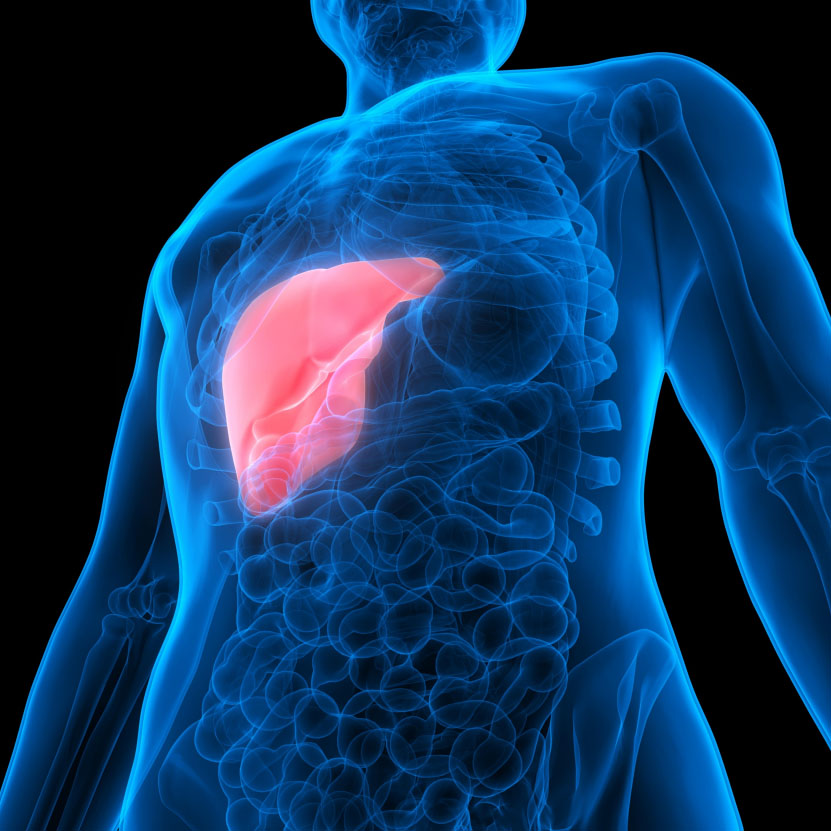
Hepatic sarcoma, a rare and aggressive malignancy originating in the liver’s connective tissues, poses significant challenges in diagnosis and treatment due to its rarity and complex pathology. In recent years, advancements in medical technology and interdisciplinary collaboration have brought new hope to patients affected by this formidable disease. At the forefront of these efforts is Beijing South Region Oncology Hospital, an institution that has dedicated the past decade to the comprehensive diagnosis and treatment of various tumors, including hepatic sarcoma.
**A Decade of Excellence in Oncology Care**
For the past ten years, Beijing South Region Oncology Hospital has been a leading force in cancer care within China. The hospital’s mission revolves around providing cutting-edge diagnosis and treatment options while advocating for a multi-disciplinary approach in oncology. Recognizing that cancer is multifaceted, the institution integrates medical expertise from various departments, ensuring that patients receive holistic and personalized care.
Their unique strategy involves the formation of specialized cooperation groups that focus on single diseases, including hepatic sarcoma. Such groups bring together oncologists, surgeons, pathologists, radiologists, and other specialists to discuss each case comprehensively. This collaboration ensures that patients benefit from the latest research, diagnostic techniques, and innovative therapeutic approaches.
**Challenges in Diagnosing Hepatic Sarcoma**
Hepatic sarcoma is notoriously difficult to diagnose early because its symptoms often mimic those of other liver diseases, such as hepatocellular carcinoma or benign liver masses. Patients may present with abdominal pain, weight loss, or jaundice, symptoms common in many hepatic conditions. Furthermore, hepatic sarcoma’s rarity means that many clinicians may have limited experience in recognizing its unique characteristics.
To combat these challenges, Beijing South Region Oncology Hospital has invested heavily in advanced diagnostic technologies. High-resolution imaging techniques such as enhanced MRI and CT scans are routinely used to detect and characterize liver masses. Moreover, the hospital employs cutting-edge biopsy procedures combined with molecular and genetic testing to accurately identify hepatic sarcoma subtypes.
This rigorous diagnostic process ensures that patients receive precise diagnoses, which are critical for determining the most effective treatment plans. According to hospital specialists, early and accurate diagnosis significantly improves prognosis and opens the door for targeted therapies.
**Innovative Multi-Disciplinary Treatment Approaches**
Treatment for hepatic sarcoma is complex and often requires a combination of surgery, chemotherapy, and radiotherapy. The multidisciplinary teams at Beijing South Region Oncology Hospital tailor treatment strategies based on the tumor’s size, location, and the patient’s overall health status. Surgical resection remains the primary curative option when the tumor is localized and operable.
In cases where surgery is not feasible due to tumor spread or patient condition, oncologists employ chemotherapy regimens designed to control tumor growth and prolong survival. The hospital’s oncology pharmacy works closely with physicians to customize chemotherapy protocols, minimizing side effects while maximizing therapeutic effects.
Radiotherapy is another modality used selectively to manage hepatic sarcoma, particularly when surgical margins are compromised or tumors recur. Advances in radiation delivery techniques at the hospital, such as intensity-modulated radiotherapy (IMRT), allow precise targeting of tumors while sparing healthy tissue.
Beyond conventional treatments, Beijing South Region Oncology Hospital participates in clinical trials exploring novel targeted therapies and immunotherapies. These treatments aim to attack cancer cells more selectively and harness the patient’s immune system to fight the disease, offering hope for improved outcomes in hepatic sarcoma patients.
**Patient-Centric Care and Support Services**
Understanding the emotional and physical toll of hepatic sarcoma on patients and their families, Beijing South Region Oncology Hospital emphasizes compassionate, patient-centered care. The hospital’s multidisciplinary cooperation groups include not only medical specialists but also nursing staff, nutritionists, psychological counselors, and social workers.
This integrated support system helps patients navigate complex treatment plans, manage side effects, and cope with the psychological impacts of cancer diagnosis and therapy. Nutritional guidance assists in maintaining strength and resilience during treatment, while psychological support addresses anxiety, depression, and other emotional challenges.
Furthermore, the hospital maintains an open-door policy for patient education, ensuring that patients and their families are fully informed about the disease process, treatment options, and prognosis. Empowering patients with knowledge helps enhance treatment adherence and overall satisfaction.
**Commitment to Research and Education**
Beijing South Region Oncology Hospital is not only a treatment center but also a hub for oncology research and education. The hospital collaborates with national and international cancer research institutions to stay at the cutting edge of cancer science. Investigations into hepatic sarcoma’s molecular biology and genetics are ongoing, aiming to identify biomarkers for early detection and targets for new therapies.
Additionally, the hospital regularly organizes training programs and seminars for healthcare professionals, fostering greater awareness and expertise in managing rare tumors like hepatic sarcoma. By educating the medical community, Beijing South Region Oncology Hospital contributes to improving the overall quality of cancer care beyond its walls.
**Looking Forward**
While hepatic sarcoma remains a challenging cancer to manage, the integrated approach adopted by Beijing South Region Oncology Hospital offers a beacon of hope to patients. The hospital’s dedication to multi-disciplinary collaboration, advanced diagnostics, personalized treatment, and comprehensive support services exemplifies best practices in oncology care.
As research progresses and new therapies emerge, Beijing South Region Oncology Hospital is well-positioned to continue leading advancements in the diagnosis and treatment of hepatic sarcoma, ultimately improving survival rates and quality of life for patients affected by this rare malignancy.
For patients diagnosed with hepatic sarcoma or other tumors, Beijing South Region Oncology Hospital remains a trusted partner committed to delivering excellence in cancer care through cooperation and innovation.