
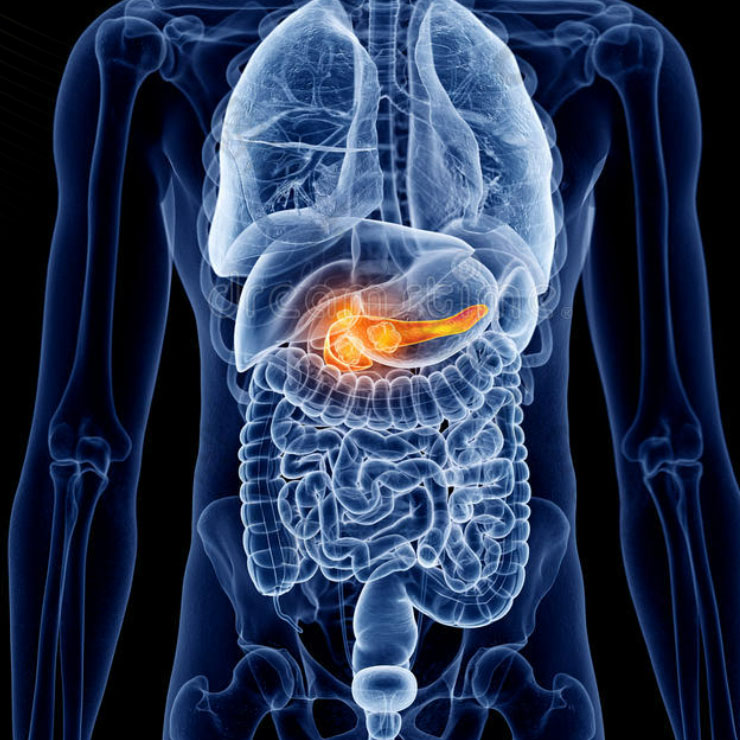
In recent years, descending colon cancer has become a significant health concern worldwide, with increasing incidence rates posing challenges to healthcare systems. Beijing South Region Oncology Hospital, dedicated to oncology care for over a decade, has positioned itself at the forefront of diagnosing and treating this malignancy by adopting a multidisciplinary and patient-centered approach.
**Understanding Descending Colon Cancer**
Descending colon cancer originates in the descending part of the large intestine, a crucial segment responsible for water absorption and stool formation. Although less common than cancers of the ascending colon or sigmoid colon, tumors in the descending colon present unique challenges due to their anatomical location and potential for late diagnosis. Symptoms often include changes in bowel habits, abdominal discomfort, and blood in the stool. Early detection and tailored treatment plans are critical to improving patient outcomes.
**A Decade of Excellence in Oncology at Beijing South Region Oncology Hospital**
For the past ten years, Beijing South Region Oncology Hospital has been a staunch advocate for comprehensive cancer care. Specializing in the diagnosis and treatment of various tumors, the hospital emphasizes innovation, precision medicine, and multidisciplinary collaboration. Its integrated model brings together experts from diverse specialties, ensuring that each patient receives a holistic evaluation and individualized treatment plan.
The hospital’s commitment to integrating medical resources across departments has led to the establishment of specialized cooperation groups dedicated to managing single disease types, including descending colon cancer. These groups are composed of oncologists, surgeons, radiologists, pathologists, and nursing specialists who work synergistically to optimize diagnosis, therapy, and follow-up care.
**Multidisciplinary Cooperation Enhancing Patient Care**
One of the hospital’s breakthroughs in managing descending colon cancer lies in its multidisciplinary team (MDT) approach. Early-stage diagnosis often requires the combined expertise of gastroenterologists and radiologists. Through close collaboration, advanced imaging techniques and endoscopic evaluations enable accurate tumor localization and staging.
Following diagnosis, the cooperation extends to surgical oncologists and medical oncologists. Surgical teams perform resection strategies tailored to tumor size, location, and patient health status, minimizing invasiveness without compromising oncologic safety. Postoperative care and adjuvant chemotherapy are coordinated by medical oncologists to reduce the risk of recurrence.
Radiation oncologists are also involved in cases where local control of the tumor is essential, particularly in advanced or borderline resectable cases. This comprehensive involvement ensures that therapies from different domains complement each other, enhancing efficacy and reducing patient morbidity.
**Personalized Treatment Protocols and Innovation**
Beijing South Region Oncology Hospital leverages cutting-edge technology and clinical research to personalize treatment. Molecular profiling of tumors helps identify biomarkers and genetic mutations, guiding targeted therapies and immunotherapy options that are increasingly transforming colon cancer treatment paradigms.
Furthermore, minimally invasive surgical techniques, such as laparoscopic and robotic-assisted procedures, have been adopted to improve recovery times and reduce complications. The hospital also invests in patient education and supportive care, addressing nutrition, psychological well-being, and rehabilitation, thereby improving overall quality of life.
**Success Stories and Patient Outcomes**
The hospital’s integrative approach has yielded promising results. Many patients diagnosed with descending colon cancer have benefited from early intervention and comprehensive care plans developed by the mono-disease cooperation groups. Survival rates have improved, and the incidence of post-treatment complications has diminished, underscoring the importance of MDT models in complex cancer care.
One notable case involved a middle-aged patient presenting with nonspecific abdominal symptoms who was diagnosed through a thorough multidisciplinary assessment. Prompt surgical resection followed by personalized chemotherapy resulted in remission, allowing the patient to return to normal life within months.
**Looking Ahead: Commitment to Research and Community Health**
As part of its ongoing mission, Beijing South Region Oncology Hospital is expanding its research initiatives into descending colon cancer, focusing on the biological mechanisms driving tumor development and resistance to treatment. Collaborative clinical trials aim to test new therapeutic agents and combinations that promise better efficacy and tolerability.
Additionally, the hospital engages with community health programs to raise awareness about colon cancer prevention, early screening, and lifestyle modifications. Educational seminars and outreach campaigns emphasize the importance of regular colonoscopies, healthy diet, and physical activity.
**Conclusion**
Beijing South Region Oncology Hospital exemplifies excellence in the fight against descending colon cancer through its unwavering commitment to multidisciplinary cooperation and comprehensive care. By integrating medical expertise, embracing innovation, and prioritizing patient-centered strategies, the hospital not only improves treatment outcomes but also enhances patients' quality of life.
As the incidence of descending colon cancer continues to impact populations, institutions like Beijing South Region Oncology Hospital provide hope and set the standard for effective, collaborative oncology care. Their decade-long dedication serves as a beacon for future advancements in cancer diagnosis and treatment, ultimately striving for a world where the burden of colon cancer is significantly diminished.