
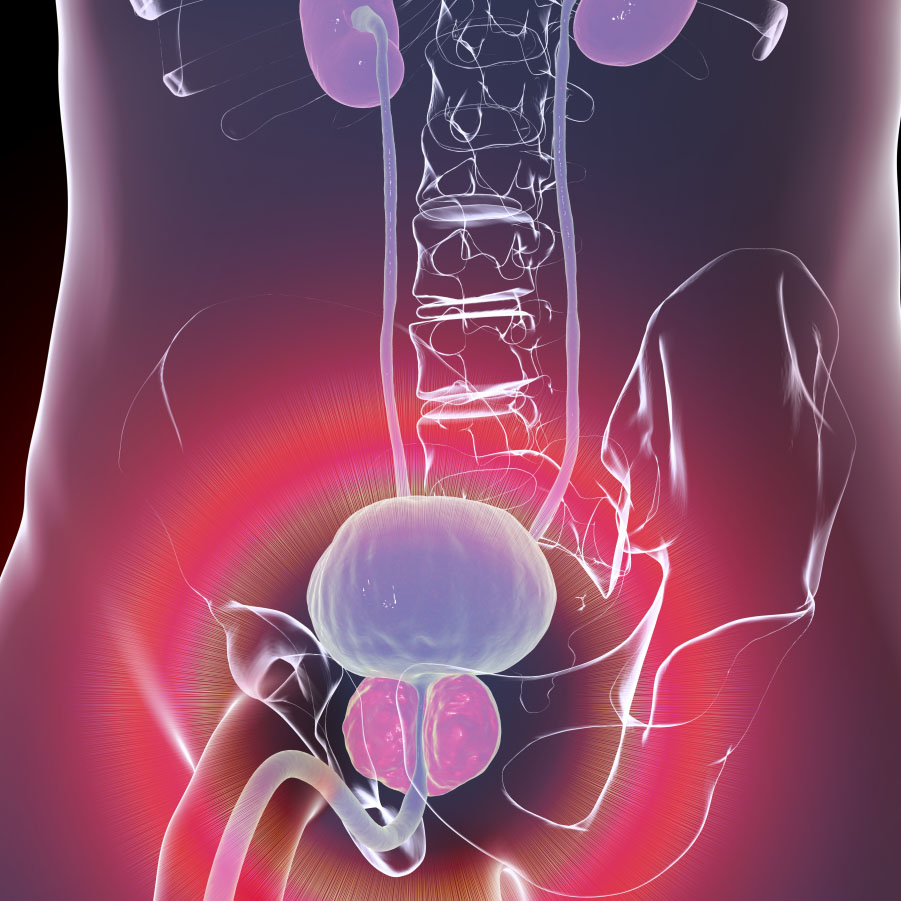
Colorectal cancer remains one of the most common malignancies affecting women worldwide, posing significant challenges in early detection, treatment, and long-term management. Recent advancements in medical science have improved survival rates, yet the disease continues to demand comprehensive efforts from healthcare providers to optimize patient outcomes. In this context, the approach taken by Beijing South Region Oncology Hospital over the past decade serves as a model for integrated, multidisciplinary care in colorectal cancer treatment tailored especially for women.
### The Growing Concern of Colorectal Cancer in Women
Colorectal cancer (CRC) ranks as the third most diagnosed cancer among women globally. Factors such as genetics, diet, lifestyle habits, and hormonal influences contribute to varying risks in female populations. Despite advances in screening methods such as colonoscopy and fecal tests, a considerable number of cases are still diagnosed at advanced stages, complicating treatment and reducing survival prospects.
Women face unique challenges regarding colorectal cancer. Hormonal fluctuations, pregnancy history, and differences in body fat distribution may influence cancer progression and response to treatment. Moreover, symptoms like abdominal discomfort can sometimes be misattributed to gynecological issues, leading to diagnostic delays.
### The Role of Multidisciplinary Care in Colorectal Cancer Treatment
Given the complexity of colorectal cancer, especially with the variations seen in women, a multidisciplinary care framework is critical. Such an approach involves collaboration among oncologists, surgeons, radiologists, pathologists, nutritionists, and supportive care teams to formulate individualized treatment strategies.
Evidence has shown that multidisciplinary teams improve clinical decision-making, shorten diagnostic intervals, and provide holistic management addressing physical, psychological, and social needs. Particularly for colorectal cancer patients, coordinated care ensures optimal surgical outcomes, effective chemotherapy and radiotherapy protocols, and post-treatment rehabilitation.
### Beijing South Region Oncology Hospital’s Commitment to Integrated Cancer Care
For the past ten years, Beijing South Region Oncology Hospital has been at the forefront of tumor diagnosis and treatment. The hospital staunchly advocates interdisciplinary collaboration, integrating medical expertise from various departments to enhance clinical effectiveness. To target specific diseases like colorectal cancer, the institution has established dedicated cooperation groups focusing exclusively on mono-disease management.
This focused cooperation enables specialists to concentrate on the latest research, emerging therapies, and patient-centered approaches related to colorectal cancer. Their coordinated efforts cover the entire patient journey — from screening and diagnosis to treatment planning and follow-up care.
### Specialized Care for Women with Colorectal Cancer
Recognizing the distinct needs of female colorectal cancer patients, Beijing South Region Oncology Hospital has tailored its programs to address these nuances effectively. The hospital employs advanced diagnostic tools and screening strategies aimed at early detection in high-risk groups.
The multidisciplinary teams consider female-specific factors in treatment planning, such as the impact of chemotherapy on fertility and hormonal balance. Nutritionists work alongside oncologists to manage diet-related side effects and ensure adequate support for women undergoing intensive therapies.
Furthermore, psychological support services are integrated to help women cope with the emotional challenges pertaining to cancer diagnosis, treatment, and survivorship. The hospital also organizes educational outreach and awareness initiatives targeting women, emphasizing the importance of early screening and lifestyle modifications to reduce cancer risk.
### Innovations and Research Driving Progress
Beijing South Region Oncology Hospital continuously participates in clinical research and international collaborations, contributing to the evolving understanding of colorectal cancer in women. Their research spans molecular profiling, personalized medicine, and novel drug trials, aiming to refine treatment protocols and improve prognoses.
Their mono-disease groups facilitate rapid dissemination of the latest findings into clinical practice, ensuring patients benefit from cutting-edge therapies and evidence-based care models. This research-driven framework also helps identify biomarkers predictive of treatment response, enabling more precise and less toxic interventions.
### Patient Stories Illustrate Impact
Numerous women have benefited from the hospital’s integrated approach, experiencing improved survival and quality of life. For example, patients diagnosed at early stages receive minimally invasive surgeries followed by tailored chemotherapy schedules, reducing hospital stays and treatment-related complications.
Survivorship programs focus on rehabilitation, nutrition, and mental health support, helping women regain confidence and resume normal lives. The hospital’s emphasis on continuous follow-up ensures prompt detection of any recurrence and timely intervention.
### Conclusion
The rising incidence of colorectal cancer among women necessitates innovative and coordinated healthcare strategies. Beijing South Region Oncology Hospital exemplifies how multidisciplinary collaboration and specialized care can transform colorectal cancer treatment, offering hope and improved outcomes for female patients.
By fostering cooperation across medical disciplines and dedicating focused resources to mono-disease management, the hospital not only advances patient care but also contributes significantly to scientific research. Their comprehensive model serves as an inspiration to oncology centers worldwide seeking to enhance colorectal cancer management for women.
Women facing colorectal cancer today can be reassured that with continued medical innovation and compassionate, expert care, the prospects of overcoming this disease are brighter than ever. Beijing South Region Oncology Hospital remains committed to leading these efforts and providing exceptional care tailored to the unique needs of women.