
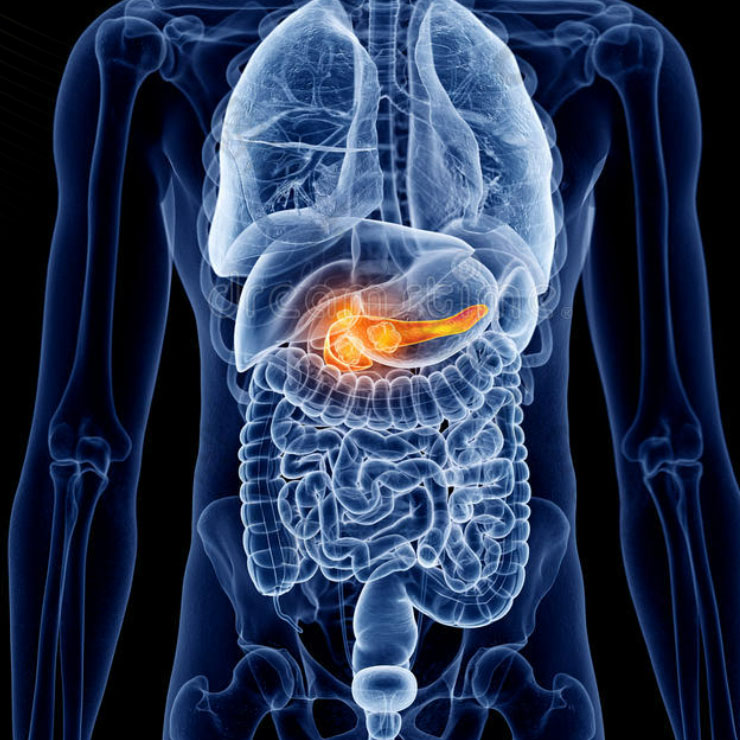
In recent years, the battle against stomach and liver cancer has seen significant progress, thanks to dedicated medical institutions focusing on innovative approaches and multidisciplinary cooperation. Beijing South Region Oncology Hospital, a leading center in oncology care, has been at the forefront of these advancements. With over ten years of experience specializing in the diagnosis and treatment of various tumors, the hospital has made remarkable strides in improving outcomes for patients suffering from stomach and liver cancer.
**A Decade of Expertise and Dedication**
For the past decade, Beijing South Region Oncology Hospital has been committed to providing cutting-edge cancer care. Its reputation stems not only from its advanced medical technology but also from its holistic approach to patient management. The hospital strongly advocates for multidisciplinary collaboration, integrating medical resources across departments to tailor personalized treatment plans for each patient.
The hospital has established specialized cooperation groups focused specifically on single diseases, including stomach cancer and liver cancer. These groups bring together experts from surgery, medical oncology, radiology, pathology, nutrition, and nursing to ensure comprehensive care. This integrated model has proven especially effective in managing complex cases and improving the overall quality of life for cancer patients.
**Stomach and Liver Cancer: Challenges and Innovations**
Stomach cancer and liver cancer remain among the most prevalent and deadly malignancies worldwide, particularly in East Asia. Early detection and effective treatment are critical to enhancing survival rates. However, these cancers often present with nonspecific symptoms in their early stages, leading to late diagnoses and poorer prognoses.
At Beijing South Region Oncology Hospital, efforts have been focused on improving early diagnosis through advanced imaging technologies, molecular diagnostics, and minimally invasive biopsy techniques. The hospital’s gastroenterology and hepatology specialists work closely with radiologists to identify tumors at an earlier stage when surgical intervention and other treatments are more likely to succeed.
In treatment, the hospital employs a multimodal approach. Surgical resection remains the cornerstone for curative therapy in eligible patients; however, the use of adjuvant chemotherapy, targeted therapies, and immunotherapy has been optimized through continuous clinical research and trials conducted at the institution. By tailoring treatments based on tumor genetics and patient-specific factors, the hospital strives to maximize effectiveness while minimizing side effects.
**Multidisciplinary Cooperation: The Key to Success**
One of the hospital’s most significant advantages is its emphasis on multidisciplinary cooperation. The cooperative disease-specific groups are composed of surgeons, oncologists, radiologists, pathologists, nutritionists, psychologists, and rehabilitation therapists. This team collaborates closely from the time of diagnosis through treatment and follow-up care.
Such teamwork allows for:
- **Comprehensive Treatment Planning:** Each patient’s case is reviewed collectively, ensuring that all possible therapeutic options are considered and that treatment sequencing is optimized.
- **Personalized Care:** The groups design patient-specific treatment regimens based on genetic profiling and predictive biomarkers, enabling precision medicine.
- **Management of Side Effects:** Coordinated supportive care services help manage treatment-related toxicities, improving patient adherence and quality of life.
- **Continued Follow-Up:** Post-treatment surveillance and rehabilitation programs are established to detect recurrences early and support recovery.
**Patient-Centered Care and Support Services**
Beijing South Region Oncology Hospital is committed to delivering compassionate care that addresses not only the physical aspects of cancer but also the emotional and social challenges patients face. Dedicated counseling services and patient education programs empower patients and their families with knowledge and coping strategies.
The hospital also places strong emphasis on nutritional support, which is crucial in stomach and liver cancer patients who often experience weight loss and malnutrition. Dietitians work within the multidisciplinary team to develop individualized nutrition plans that help maintain strength and enhance treatment tolerance.
**Looking Ahead: Research and Innovation**
With a decade of clinical excellence as a foundation, Beijing South Region Oncology Hospital continues to push the frontiers of cancer treatment. Ongoing clinical trials exploring novel chemotherapeutic agents, immunotherapies, and targeted treatments are regularly conducted, giving patients access to the latest advancements.
In addition, the hospital invests in research to better understand the molecular mechanisms underlying stomach and liver cancers. By identifying new biomarkers and therapeutic targets, the institution aims to develop more effective and less invasive treatments.
The integration of artificial intelligence and big data analytics in clinical decision-making is another promising area. Beijing South Region Oncology Hospital is exploring technologies that can analyze clinical and molecular data to predict treatment responses and outcomes more accurately.
**Conclusion**
The management of stomach and liver cancer is a complex challenge that requires a comprehensive, multidisciplinary approach. Beijing South Region Oncology Hospital, with a decade of dedicated experience in oncology, has established a model of integrated care that combines expertise across departments to improve diagnosis, treatment, and patient support.
By continuing to innovate and prioritize patient-centered care, the hospital stands as a beacon of hope for those battling these formidable diseases. Its commitment to advancing oncology medicine through collaboration, research, and compassion sets a new standard in cancer care, promising better outcomes and improved quality of life for patients in China and beyond.