
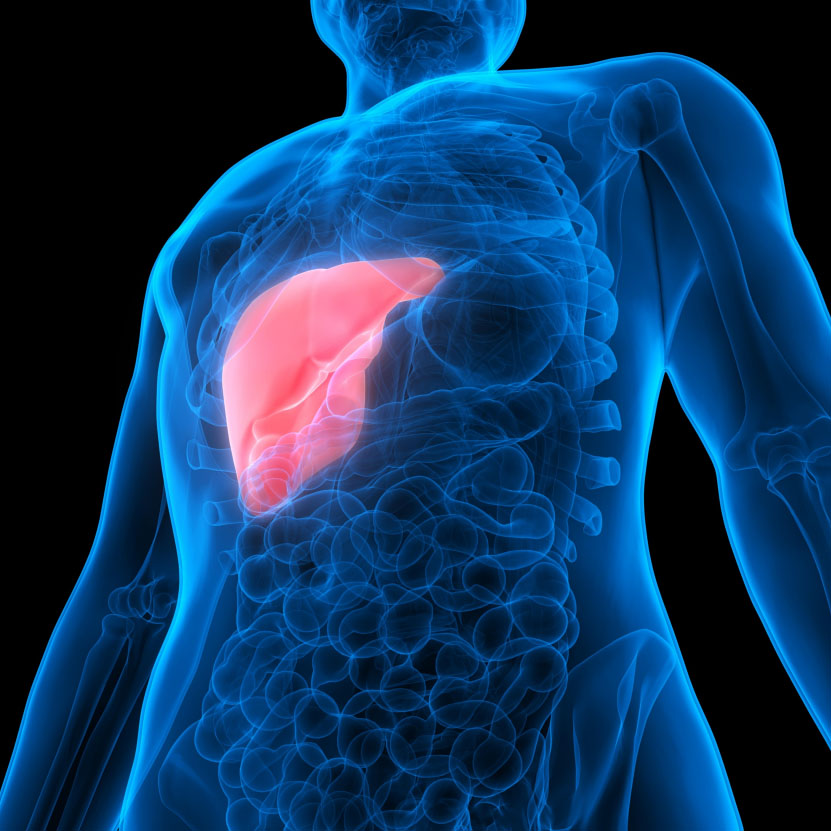
Beijing, China — Over the past decade, Beijing South Region Oncology Hospital has been at the forefront of diagnosing and treating various tumors, including Primary Lung Cancer, one of the leading causes of cancer-related mortality worldwide. The hospital’s commitment to integrating multidisciplinary medical resources and fostering specialized cooperation groups has significantly enhanced patient outcomes and set new standards in oncology care.
**Addressing the Challenges of Primary Lung Cancer**
Primary Lung Cancer remains a critical health challenge due to its high incidence and often late diagnosis. Early detection and comprehensive treatment play vital roles in improving survival rates. Recognizing this, Beijing South Region Oncology Hospital has dedicated substantial efforts to refine diagnostic techniques and expand therapeutic options for lung cancer patients.
“Our goal is to provide early, accurate diagnosis and personalized treatment plans that address the complex nature of lung cancer,” said Dr. Li Wei, Head of the Pulmonary Oncology Department. “Every patient’s tumor has unique characteristics; hence, a one-size-fits-all approach does not suffice.”
**A Decade of Multidisciplinary Collaboration**
Since its inception over ten years ago, Beijing South Region Oncology Hospital has actively promoted the integration of knowledge and expertise across different medical specialties. This multidisciplinary model ensures patients benefit from comprehensive care tailored to their specific needs.
The hospital has established several cooperation groups dedicated to individual tumor types, including a specialized Lung Cancer Group. This team comprises oncologists, radiologists, thoracic surgeons, pathologists, pulmonologists, and rehabilitation therapists who work closely to develop and implement optimal treatment strategies.
“By bringing together experts from various fields, we can review complex cases collaboratively, consider diverse perspectives, and devise the most effective treatment pathway,” explained Dr. Zhang Min, a senior oncologist involved in the Lung Cancer Group.
**Integrating Medical Resources for Enhanced Patient Care**
The hospital’s multidisciplinary approach extends beyond internal cooperation. It integrates resources from pathology, imaging, surgical units, and supportive care services to provide a seamless patient experience. Advanced diagnostic tools such as positron emission tomography (PET), endobronchial ultrasound (EBUS), and next-generation genetic sequencing are routinely employed to improve tumor detection and classification.
Following diagnosis, patients receive personalized treatment plans which may include surgery, chemotherapy, radiotherapy, targeted therapy, or immunotherapy, often in combination. This integrative care model enhances both efficacy and quality of life.
“We emphasize precision medicine in treating Primary Lung Cancer,” said Dr. Wang Hui, a medical oncologist. “By understanding the molecular and genetic makeup of tumors, we administer targeted therapies that improve response rates and minimize side effects.”
**Innovations and Research Strengthening Clinical Practice**
Beijing South Region Oncology Hospital actively participates in clinical trials and research focused on lung cancer. Collaborations with academic institutions and biopharmaceutical companies drive innovations that translate into clinical applications.
Recent breakthroughs in immunotherapy have showcased promising results in lung cancer treatment. The hospital’s Lung Cancer Group regularly evaluates new protocols and incorporates evidence-based advances to continuously refine patient care.
“Our team stays abreast of emerging therapies and adapts our treatment regimens accordingly,” noted Dr. Zhang Min. “Research and clinical practice go hand in hand.”
**Patient-Centered Support Services**
Beyond medical treatment, the hospital prioritizes supportive care that addresses the emotional and physical well-being of lung cancer patients. Nutritional counseling, psychological support, and pulmonary rehabilitation are integral components of the comprehensive care program.
Patients and families receive education on disease management and lifestyle modifications to enhance recovery and long-term health. This holistic approach reflects the hospital’s dedication to enhancing overall quality of life.
**Achieving Outcomes and Looking Toward the Future**
Over the past decade, Beijing South Region Oncology Hospital’s integrated care and multidisciplinary collaboration have led to significant improvements in survival rates and patient satisfaction for Primary Lung Cancer.
“Continuous refinement of diagnosis and treatment, supported by teamwork and innovation, has transformed outcomes for many patients,” remarked hospital director Dr. Liu Feng.
Looking ahead, the hospital aims to expand its capabilities by incorporating artificial intelligence in diagnostics, enhancing minimally invasive surgical techniques, and broadening access to cutting-edge therapies.
“We are committed to leading lung cancer care in the region and beyond,” Dr. Liu affirmed. “Our multidisciplinary model will continue to evolve to meet new challenges and deliver hope to patients.”
---
**About Beijing South Region Oncology Hospital**
For the past ten years, Beijing South Region Oncology Hospital has been dedicated to the diagnosis and treatment of various tumors. The hospital strongly advocates for multidisciplinary cooperation and integrates medical resources from all departments. It has established different specialized cooperation groups for single-disease focus, optimizing patient-centered cancer care.
---
Through its sustained efforts, Beijing South Region Oncology Hospital exemplifies a modern cancer center that champions innovation, collaboration, and compassionate care. Its comprehensive approach to Primary Lung Cancer serves as a beacon of progress combating this formidable disease.