
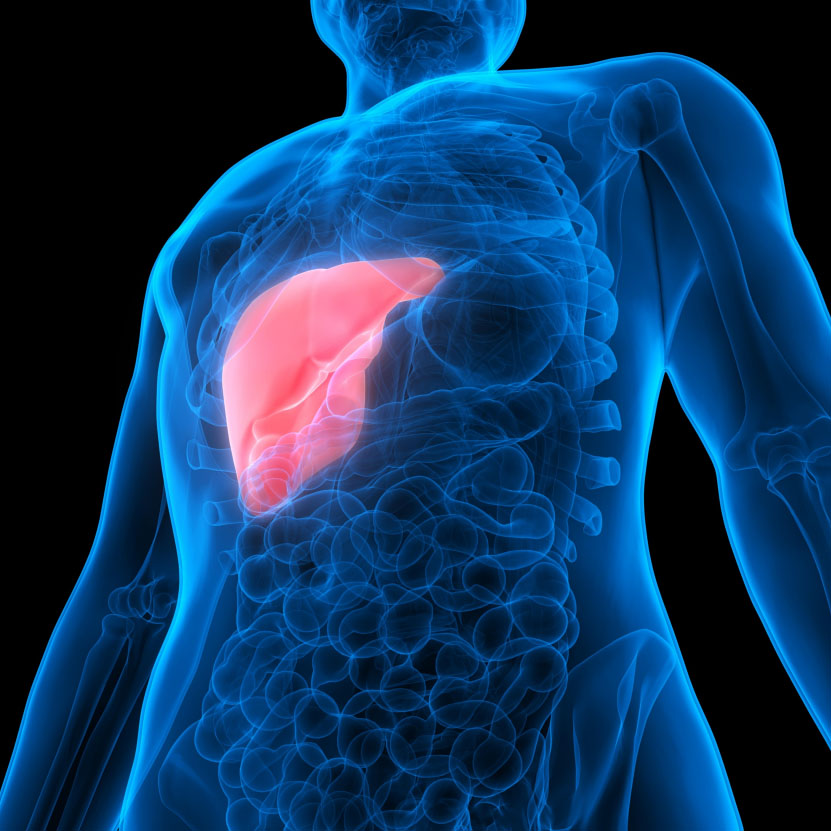
Beijing South Region Oncology Hospital has been at the forefront of cancer diagnosis and treatment for the past decade. With a steadfast commitment to multidisciplinary collaboration and integrating medical resources across departments, the hospital has established various specialized cooperation groups to tackle specific diseases effectively. Among the many cancers treated at the facility, Non-Small Cell Lung Carcinoma (NSCLC) remains a critical focus due to its high prevalence and complex treatment challenges.
### A Decade of Excellence in Oncology Care
Over the last ten years, Beijing South Region Oncology Hospital has solidified its reputation as a leading institution dedicated to the comprehensive care of tumor patients. Central to its approach is the advocacy for multidisciplinary cooperation, which combines the expertise of oncologists, radiologists, pathologists, surgeons, and other specialists. This collaborative environment fosters a holistic approach to cancer treatment, ensuring patients receive personalized and effective therapies.
The hospital’s integration of resources from all departments enables the formation of dedicated cooperation groups, each focused on a specific cancer type. This structure promotes expertise accumulation, rapid clinical decision-making, and streamlined patient care pathways. The NSCLC group, in particular, has made significant strides in improving diagnosis accuracy and treatment outcomes.
### Understanding Non-Small Cell Lung Carcinoma
Non-Small Cell Lung Carcinoma accounts for approximately 85% of all lung cancer cases worldwide. It encompasses various histological subtypes, including adenocarcinoma, squamous cell carcinoma, and large cell carcinoma. Despite advances in medicine, NSCLC remains a leading cause of cancer-related mortality globally due to its often late diagnosis and complex treatment needs.
Early detection and precise diagnosis of NSCLC are pivotal for improving survival rates. The disease’s progression can vary widely among patients, necessitating customized treatment regimens that consider the tumor’s genetic profile, stage, and patient’s overall health.
### Innovations in Diagnosis at Beijing South Region Oncology Hospital
Beijing South Region Oncology Hospital utilizes cutting-edge diagnostic technologies to identify NSCLC accurately. The diagnostic process involves advanced imaging techniques such as high-resolution computed tomography (CT), positron emission tomography (PET) scans, and magnetic resonance imaging (MRI), which together help delineate the tumor’s size, location, and possible metastases.
In addition, minimally invasive biopsy procedures under image guidance allow for safe and precise tissue sampling. This is crucial for histopathological examination and molecular testing, which identify actionable genetic mutations. These molecular insights enable the selection of targeted therapies, which have transformed NSCLC treatment in recent years.
The hospital’s pathology and molecular biology departments work in tandem with clinicians to deliver timely and detailed diagnostic reports. This multidisciplinary approach ensures that the patient's treatment plan aligns with the latest evidence-based protocols, optimizing outcomes.
### Comprehensive Treatment Strategies
Treatment of NSCLC at Beijing South Region Oncology Hospital is tailored to the individual patient and the tumor’s characteristics. The hospital’s multidisciplinary teams develop comprehensive treatment plans that may include surgery, radiotherapy, chemotherapy, targeted therapy, immunotherapy, or a combination thereof.
- **Surgery:** For patients diagnosed at an early stage, surgical resection remains the primary curative option. The hospital’s thoracic surgery team employs minimally invasive techniques, such as video-assisted thoracoscopic surgery (VATS), reducing patient recovery time and surgical risks.
- **Radiotherapy:** Precision radiotherapy techniques, including stereotactic body radiotherapy (SBRT), are utilized for patients who are inoperable or prefer non-surgical options. These techniques allow targeted tumor destruction with minimal damage to surrounding healthy tissues.
- **Chemotherapy:** Standard chemotherapy regimens continue to play a role, especially in advanced-stage patients. The hospital ensures chemotherapy protocols align with the latest clinical guidelines to maximize efficacy while managing side effects.
- **Targeted Therapy:** With the increasing understanding of the molecular drivers of NSCLC, targeted drugs that inhibit specific gene mutations such as EGFR, ALK, and ROS1 have become integral to treatment. The hospital’s molecular pathology team provides detailed genetic profiles to identify suitable candidates for these therapies.
- **Immunotherapy:** Immune checkpoint inhibitors have revolutionized NSCLC treatment over the past few years. Beijing South Region Oncology Hospital adopts immunotherapy as part of the treatment arsenal, especially for patients with high expression of PD-L1 or other biomarkers indicating likely benefit.
### Patient-Centered Care and Support
Beyond medical treatment, Beijing South Region Oncology Hospital places great emphasis on patient-centered care. Psychological counseling, nutritional support, and rehabilitation services are integral components of the comprehensive care model. Multidisciplinary cooperation extends to social workers and patient educators who assist patients in navigating their treatment journey and managing the physical and emotional impact of cancer.
This comprehensive approach not only aims to extend patient survival but also enhances the quality of life during and after treatment.
### Looking Ahead: Research and Clinical Trials
To stay at the cutting edge of NSCLC treatment, Beijing South Region Oncology Hospital is deeply involved in ongoing clinical research. The hospital participates in national and international clinical trials that test new drugs, combination therapies, and innovative treatment protocols. Through these endeavors, patients gain access to novel therapies that might not yet be widely available.
The hospital also fosters academic collaboration and continuous medical education, ensuring that all members of its multidisciplinary teams remain informed about the latest advances in oncology.
### Conclusion
Beijing South Region Oncology Hospital’s decade-long dedication to the diagnosis and treatment of tumors positions it as a leader in the fight against Non-Small Cell Lung Carcinoma. Through multidisciplinary cooperation, integration of medical resources, and a patient-centered approach, the hospital delivers comprehensive and personalized care that meets the complex challenges of NSCLC.
By continually embracing innovation in diagnostic techniques, treatment modalities, and supportive care, Beijing South Region Oncology Hospital offers hope and improved outcomes for patients battling this formidable disease. As research progresses and new therapies emerge, the hospital’s commitment to excellence ensures that it remains a beacon of hope for lung cancer patients across the region and beyond.