
In recent years, significant strides have been made in the treatment of lung nodules, with minimally invasive techniques garnering widespread attention for their efficacy and safety. Among these, lung nodule cryoablation has emerged as a promising treatment modality, offering new hope to patients diagnosed with early-stage lung lesions. The Beijing South Region Oncology Hospital, a leading institution dedicated to cancer diagnosis and treatment, has been at the forefront of integrating this innovative technique into its multidisciplinary cancer care approach.
**What is Lung Nodule Cryoablation?**
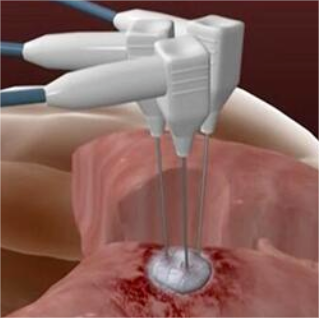
Lung nodule cryoablation is a minimally invasive procedure that utilizes extreme cold to destroy abnormal lung tissue, particularly small nodules that may be cancerous or precancerous. This technique involves the insertion of a thin probe into the lung tissue, guided precisely by imaging technologies such as CT scans. Once in position, the probe emits rapid cycles of freezing and thawing, which induce ice crystal formation within the targeted cells, causing cellular destruction.
Compared to traditional surgical resection, cryoablation offers a range of advantages including reduced trauma, shorter hospital stays, and quicker patient recovery. It is especially valuable for patients who are not suitable candidates for surgery due to age, underlying health conditions, or the location of the lung nodule.
**Beijing South Region Oncology Hospital: A Decade of Excellence**
For the past ten years, the Beijing South Region Oncology Hospital has been dedicated to the diagnosis and treatment of various tumors, serving as a beacon of hope for countless patients. Emphasizing a patient-centered approach, the hospital advocates for multidisciplinary collaboration, ensuring that each patient benefits from the collective expertise of oncologists, radiologists, thoracic surgeons, pathologists, and other healthcare professionals.
This comprehensive integration of medical resources has been crucial in establishing specialized cooperation groups focused on mono-disease management. Such groups enable the hospital to develop tailored treatment plans, optimize therapeutic outcomes, and continually innovate their clinical protocols based on the latest research and clinical evidence.
**Integrating Cryoablation into Multidisciplinary Care**
Incorporating lung nodule cryoablation into the hospital’s treatment offerings represents a strategic advance in combating lung cancer, one of the most common and lethal cancers worldwide. The procedure aligns perfectly with the hospital’s multidisciplinary philosophy by requiring close collaboration among different specialties from patient evaluation to post-procedural care.
At Beijing South Region Oncology Hospital, the treatment pathway for lung nodules begins with comprehensive diagnostic assessments, including advanced imaging, biopsy, and molecular testing. Cases suitable for cryoablation are reviewed by the hospital’s lung tumor cooperation group, which meticulously evaluates all clinical data to determine the best individualized treatment strategy.
Once a patient is selected for cryoablation, the interventional radiology team performs the procedure under image guidance, ensuring precise targeting of the nodules. Post-procedural care is managed by pulmonologists and oncologists who monitor lung function, address any complications, and coordinate follow-up imaging to assess treatment efficacy.
**Clinical Benefits and Patient Impact**
Early clinical data and patient outcomes from Beijing South Region Oncology Hospital underline the effectiveness and safety of lung nodule cryoablation. Patients benefit from a minimally invasive approach with minimal discomfort, significantly fewer complications than conventional surgery, and the ability to preserve lung tissue and function.
This treatment option is particularly beneficial for elderly patients or those with comorbidities that preclude surgery. Moreover, cryoablation can be repeated if new nodules develop, offering a versatile tool in long-term lung cancer management.
Patients have reported improved quality of life post-procedure, with most returning to normal activities within days. Furthermore, the hospital’s integrated care model ensures that patients receive continuous support, including rehabilitation services, nutritional counseling, and psychological care.
**Future Directions and Commitment to Innovation**
Beijing South Region Oncology Hospital’s dedication to innovation does not stop at clinical application. The institution is actively involved in clinical research to refine cryoablation techniques, optimize patient selection criteria, and explore combinatory treatments with chemotherapy, immunotherapy, and targeted agents.
The hospital also invests in training programs to disseminate expertise in cryoablation among medical professionals both within China and internationally. By fostering knowledge exchange and collaboration, the hospital aims to elevate standards of lung cancer care and advance minimally invasive treatments on a broader scale.
**Conclusion**
Lung nodule cryoablation represents a transformative approach in the management of lung nodules, marrying technological innovation with compassionate patient care. The Beijing South Region Oncology Hospital stands as a model institution where multidisciplinary collaboration and cutting-edge treatment technologies converge to improve patient outcomes.
As lung cancer continues to pose significant health challenges, the hospital’s commitment over the past decade to integrating advanced treatments like cryoablation reflects its mission to provide comprehensive, effective, and patient-specific oncology care. With ongoing research and clinical excellence, the hospital is poised to lead the way in lung cancer treatment and bring new hope to patients facing this formidable disease.