
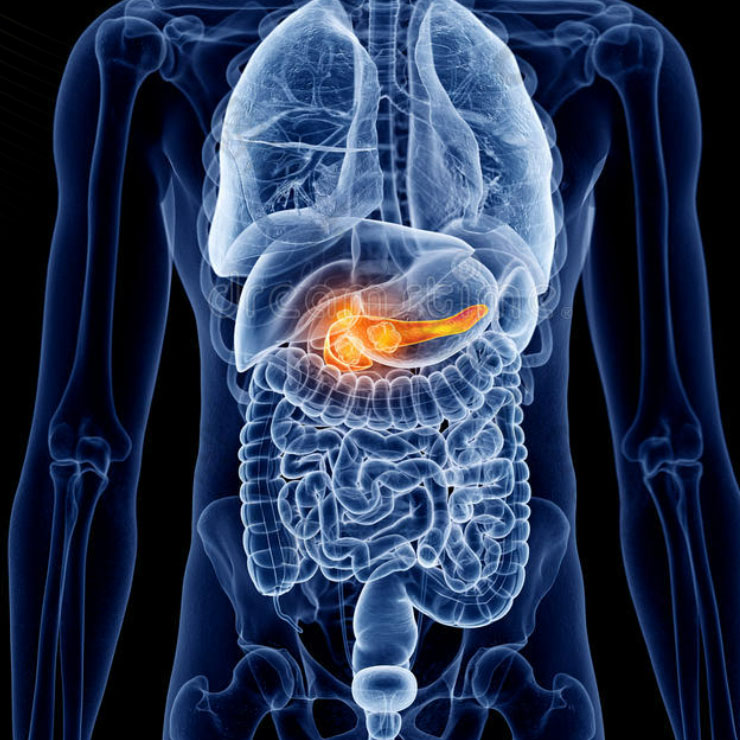
Over the past decade, Beijing South Region Oncology Hospital has firmly established itself as a leading institution in the diagnosis and treatment of various tumors. Emphasizing the power of multidisciplinary collaboration, the hospital integrates medical expertise across departments to deliver comprehensive and personalized care. This collaborative approach has recently yielded significant advancements in the treatment of liver duct cancer, a complex and often aggressive malignancy that affects the bile ducts inside and outside the liver.
**Understanding Liver Duct Cancer**
Liver duct cancer, also known as cholangiocarcinoma, arises from the epithelial cells of the bile ducts. It is characterized by its late diagnosis and poor prognosis, largely due to the intricate anatomy of the bile duct system and the cancer’s subtle early symptoms. Effective treatment requires precise diagnosis, staging, and a tailored approach combining surgery, chemotherapy, radiotherapy, and potentially novel targeted therapies.
In China, the incidence of liver duct cancer has shown a rising trend, prompting greater attention to early detection methods and therapeutic strategies. The hospital’s oncology specialists recognize the urgent need to improve patient outcomes and quality of life for those diagnosed with this challenging disease.
**A Decade of Excellence in Oncology**
Located in Beijing, South Region Oncology Hospital has been committed for ten years to fighting cancer through advanced medical practices and collaborative innovation. The hospital’s philosophy centers on uniting clinicians, surgeons, radiologists, pathologists, and oncology nurses, among other specialists, to form disease-specific cooperation groups. These teams bring together diverse expertise to devise and implement integrated treatment plans that address each patient’s unique circumstances.
This model not only enhances diagnostic accuracy but also expedites treatment decisions, allowing for more effective interventions at earlier stages of cancer. Moreover, the hospital prioritizes continuing education, patient-centric care, and the incorporation of cutting-edge research findings into clinical protocols.
**Multidisciplinary Teams Target Liver Duct Cancer**
In the case of liver duct cancer, Beijing South Region Oncology Hospital has established dedicated cooperation groups that include hepatobiliary surgeons, medical oncologists, interventional radiologists, diagnostic imagers, and pathology experts. This team-based strategy ensures that each patient receives comprehensive evaluation and treatment tailored to tumor location, size, and biological characteristics.
For instance, imaging specialists utilize advanced techniques such as enhanced MRI and PET scans to accurately stage the tumor and assess vascular involvement, which is crucial in surgical planning. Pathologists perform detailed tissue analyses to determine tumor subtype and molecular markers, informing potential systemic therapy choices.
Surgeons with expertise in hepatobiliary operations carry out complex resections aiming to completely remove cancerous tissues while preserving liver function. Where surgery is not feasible, interventional radiologists may deploy minimally invasive treatments like stenting, ablation, or localized chemotherapy delivery to manage the disease effectively.
Medical oncologists collaborate closely with the team to design chemotherapy protocols tailored to individual patient tolerance and tumor responsiveness. Increasingly, clinical trials investigating targeted therapies and immunotherapies for liver duct cancer are integrated into treatment options offered at the hospital, reflecting its commitment to innovation.
**Focus on Patient-Centered Outcomes**
Beyond medical treatment, Beijing South Region Oncology Hospital emphasizes holistic care. Patients with liver duct cancer often face significant physical and emotional challenges. The hospital’s multidisciplinary teams include supportive care specialists such as nutritionists, pain management experts, and psychological counselors who provide comprehensive support throughout the treatment journey.
Regular multidisciplinary case discussions enable continuous reassessment of treatment efficacy and timely adjustments, ensuring that patients benefit from the most current clinical evidence and therapeutic advances.
**Research and Future Directions**
To further the fight against liver duct cancer, the hospital actively participates in national and international research collaborations. Its oncology department is involved in collecting clinical data and biospecimens to better understand the disease’s molecular mechanisms and identify novel biomarkers for early diagnosis.
Ongoing studies focus on the genetic and immunologic landscape of liver duct cancer, paving the way for precision medicine approaches that could revolutionize patient care. The hospital also champions efforts to raise public awareness about liver duct cancer risk factors and the importance of early screening, aiming to improve survival rates through prevention and prompt intervention.
**Conclusion**
As liver duct cancer continues to pose significant clinical challenges, Beijing South Region Oncology Hospital’s decade-long dedication to multidisciplinary cooperation stands as a beacon of hope for patients. By integrating diverse medical resources and expertise, and fostering a patient-centric ethos, the hospital is making remarkable strides in improving diagnosis, treatment, and overall outcomes for liver duct cancer patients.
This integrated model of care not only enhances therapeutic precision but also reflects the future of oncology — one where collaboration, innovation, and compassion converge to conquer cancer and restore lives.