
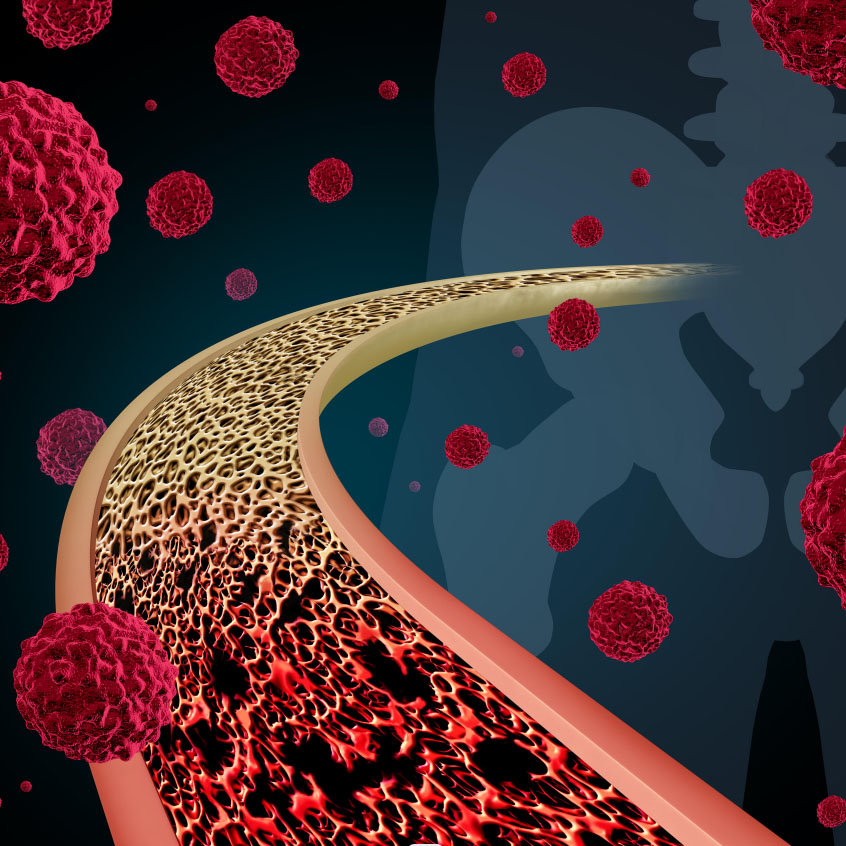
In recent years, rectal cancer has posed significant challenges to patients and healthcare providers alike due to its complex pathology and demanding treatment requirements. Addressing these challenges, Beijing South Region Oncology Hospital has made remarkable strides in the diagnosis and treatment of rectal cancer, leveraging a decade of clinical experience and a strong commitment to multidisciplinary collaboration.
**A Decade of Dedicated Oncology Care**
For the past ten years, Beijing South Region Oncology Hospital has been a leading institution in the diagnosis and treatment of various tumors. Renowned for its integrated approach, the hospital advocates the cooperation of multiple disciplines, fostering an environment where medical expertise across departments converges for the benefit of patients. This holistic approach is particularly vital in managing cancers such as rectal cancer, which necessitate coordinated interventions across surgery, chemotherapy, radiotherapy, pathology, and supportive care.
The hospital’s philosophy centers on breaking down conventional departmental boundaries, pooling medical resources, and establishing specialized cooperation groups tailored to single diseases. This mono-disease focus ensures that each patient receives personalized, cutting-edge treatment plans that reflect the latest scientific advancements and clinical best practices.
**Innovative Treatment Strategies for Rectal Cancer**
Rectal cancer often requires comprehensive treatment involving precise diagnosis, surgical resection, neoadjuvant therapy, and post-operative care. Beijing South Region Oncology Hospital has integrated this spectrum of care under one roof, guided by its multidisciplinary teams comprising oncologists, radiologists, colorectal surgeons, pathologists, and nursing specialists.
One critical innovation is the hospital’s utilization of advanced imaging technology and molecular diagnostics to accurately stage tumors and assess patients' individual risk factors. This has significantly improved the selection process for neoadjuvant therapies—treatment administered before surgery to shrink the tumor and improve surgical outcomes.
Moreover, the hospital keeps pace with emerging therapeutic methods, including minimally invasive surgical techniques such as laparoscopic and robotic-assisted rectal surgery. These approaches not only decrease surgical trauma but also enhance recovery times and preserve quality of life.
**Comprehensive Multidisciplinary Cooperation**
The hallmark of Beijing South Region Oncology Hospital’s success in treating rectal cancer is the effective orchestration of multidisciplinary cooperation. For each patient diagnosed with rectal cancer, a dedicated team conducts thorough case evaluations in weekly tumor boards, allowing experts from different fields to discuss and tailor treatment strategies.
This cooperative model ensures that each aspect of care is meticulously planned—from neoadjuvant chemoradiotherapy, to surgical timing and technique, to post-operative adjuvant therapies and rehabilitation. Additionally, psychological support and nutritional guidance are integrated into patient management plans, holistic supports that enhance treatment tolerance and overall outcomes.
The establishment of disease-specific cooperation groups has also accelerated clinical research and innovation. By focusing expertise and resources on rectal cancer, these groups systematically gather clinical data, track treatment effectiveness, and conduct trials on novel therapeutic agents and protocols in collaboration with academic and research institutions. This ongoing research effort continuously refines clinical pathways and introduces evidence-based improvements.
**Patient-Centered Approaches and Outcomes**
Patient experience remains a central concern at Beijing South Region Oncology Hospital. Recognizing the physical and emotional toll of rectal cancer and its treatments, the hospital emphasizes transparent communication and informed consent. Patients receive detailed explanations of their disease status, treatment options, potential benefits, and risks.
Moreover, personalized supportive care addresses the individual needs of patients throughout their treatment journey. Rehabilitation teams assist patients in regaining physical function post-surgery, while nutritionists design diet plans to enhance recovery and immune function. Psychological counseling services help mitigate anxiety and depression often associated with cancer diagnoses.
This comprehensive, patient-centered approach has led to notable improvements in clinical outcomes. Survival rates for rectal cancer patients at Beijing South Region Oncology Hospital have steadily increased, accompanied by better quality of life scores and lower incidences of treatment-related complications.
**Looking Toward the Future**
Building on its decade-long foundation of excellence and collaboration, Beijing South Region Oncology Hospital is committed to advancing rectal cancer care further. Plans are underway to expand its clinical trial portfolio, introduce next-generation sequencing for precision oncology, and incorporate artificial intelligence tools to enhance diagnostic accuracy and treatment planning.
The hospital also aims to strengthen community outreach and early screening programs for colorectal cancers, facilitating earlier detection and intervention, which are crucial for improving prognosis.
**Conclusion**
Beijing South Region Oncology Hospital stands as a beacon of multidisciplinary integration and innovation in the fight against rectal cancer. Its sustained efforts over the past ten years in assembling expert teams, optimizing treatment protocols, and providing comprehensive patient support have significantly enhanced the standard of rectal cancer care.
As the hospital continues to integrate emerging medical technologies and research with its collaborative model, patients suffering from rectal cancer can look forward to more effective, personalized treatments and improved chances of long-term remission and quality of life.