
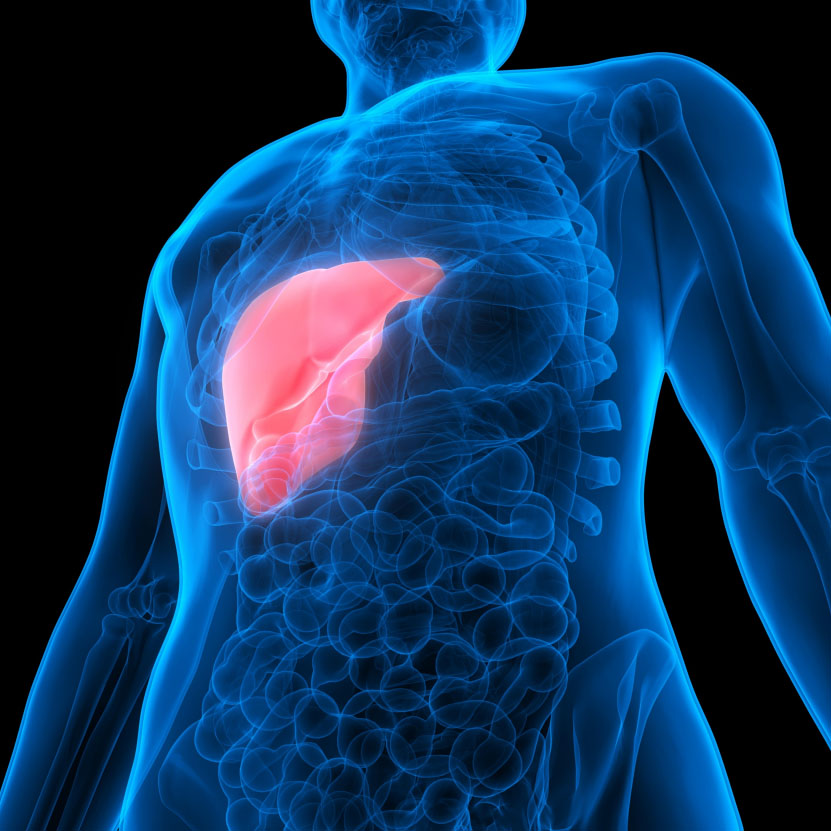
In recent years, early-stage lung cancer has become a focal point in oncology due to its significant impact on patient survival rates and quality of life. Addressing the complex challenges posed by this disease requires not only cutting-edge medical technology but also a collaborative, multidisciplinary approach to diagnosis and treatment. Beijing South Region Oncology Hospital, with its decade-long commitment to comprehensive cancer care, has emerged as a leader in this area by integrating resources across departments to deliver optimized care for patients with early-stage lung cancer.
### The Importance of Early Detection in Lung Cancer
Lung cancer remains one of the most common and deadly cancers worldwide. Early-stage lung cancer, although less advanced, requires prompt and precise diagnosis followed by timely intervention to improve patient outcomes. Advances in imaging technology and minimally invasive diagnostic techniques have made it possible to detect lung tumors at a smaller size and earlier stage, which significantly enhances treatment options.
However, early detection alone is insufficient. The complex nature of lung cancer, involving various tumor types and patient-specific factors, demands a tailored treatment strategy that encompasses surgery, radiation, chemotherapy, targeted therapy, or a combination thereof. An integrated approach that leverages expertise from multiple medical disciplines can ensure that treatment plans are individualized, clinically effective, and coordinated seamlessly.
### A Decade of Oncology Excellence at Beijing South Region Oncology Hospital
For the past ten years, Beijing South Region Oncology Hospital has been dedicated to the diagnosis and treatment of various tumors including lung cancer. The hospital has firmly established itself as a hub of clinical expertise and advanced research, promoting the synergy of multiple medical disciplines to improve cancer care standards.
The hospital advocates for the cooperation of departments that are traditionally separate, breaking barriers that can impede communication and delay critical decision-making in patient management. By integrating medical resources encompassing pulmonology, oncology, thoracic surgery, radiology, pathology, and rehabilitation medicine, the hospital offers a holistic care model.
What sets Beijing South Region Oncology Hospital apart is its operational framework centered on teamwork. Recognizing that cancer treatment is multifaceted, the hospital has established specialized cooperation groups dedicated to single diseases, such as early-stage lung cancer. These groups are composed of experts from relevant fields who work together from diagnosis through follow-up, ensuring that patients benefit from comprehensive evaluations and multimodal treatment strategies.
### Multidisciplinary Teams: A Pillar for Improved Patient Outcomes
The introduction of disease-specific cooperation groups has transformed clinical workflows at Beijing South Region Oncology Hospital. For early-stage lung cancer, a multidisciplinary team typically includes thoracic surgeons, medical oncologists, radiation oncologists, radiologists, pathologists, and nursing specialists trained in oncology care.
When a patient is diagnosed with early-stage lung cancer, this team convenes to review diagnostic images, biopsy results, and individual patient factors such as age, overall health, and comorbidities. Together, they formulate a detailed treatment plan that may include surgical resection of the tumor, adjuvant therapies, or minimally invasive approaches tailored to the patient’s condition.
Regular multidisciplinary meetings foster continuous communication, allowing the team to adapt treatment strategies based on response and emerging clinical data. This collaborative environment also extends to patient education and psychological support services, addressing the emotional and social needs of cancer patients.
### Innovations and Clinical Advances
Beijing South Region Oncology Hospital continuously embraces innovation to enhance early-stage lung cancer care. The integration of advanced diagnostic tools such as high-resolution CT scans and molecular testing facilitates the identification of specific genetic mutations, enabling personalized targeted therapies.
The hospital’s surgical teams employ minimally invasive techniques, including video-assisted thoracoscopic surgery (VATS), which reduce complications, shorten hospitalization, and improve recovery times. Radiation oncologists utilize precision radiotherapy methods to target tumors while sparing healthy tissue, further contributing to better functional outcomes.
Clinical trials and research initiatives conducted within the hospital support the development of novel therapies and optimize existing treatment protocols. Patients at Beijing South Region Oncology Hospital often have access to experimental treatments under strict ethical oversight, providing hope for those with difficult-to-treat lung cancer types.
### Commitment to Patient-Centered Care
At the heart of Beijing South Region Oncology Hospital’s approach is a commitment to patient-centered care. The multidisciplinary model ensures that treatment decisions are made not only based on the best clinical evidence but also in consideration of patient preferences and quality of life.
Comprehensive follow-up programs monitor patients closely after primary treatment to detect recurrence early and manage side effects. The hospital also emphasizes rehabilitation and supportive care, helping patients regain function and maintain their well-being throughout and after treatment.
### Future Outlook
As lung cancer incidence continues to pose a challenge globally, the role of hospitals like Beijing South Region Oncology Hospital becomes increasingly vital. Its multidisciplinary cooperation groups represent a blueprint for how modern oncology care should be delivered — with collaboration, integration, and innovation driving better outcomes.
Looking ahead, the hospital plans to further expand its capabilities by integrating artificial intelligence in diagnostic processes, increasing participation in international research collaborations, and enhancing community outreach to promote early screening programs.
### Conclusion
The effective diagnosis and treatment of early-stage lung cancer depend on a coordinated multidisciplinary approach. Beijing South Region Oncology Hospital’s decade-long experience in establishing mono-disease cooperation groups exemplifies how integrating medical resources across departments can lead to improved patient care. By continuing to innovate and foster collaboration, the hospital is setting new standards in lung cancer treatment and contributing significantly to the fight against this challenging disease.