
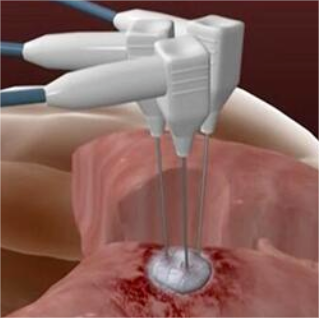
Beijing, China — In recent years, the early detection and treatment of benign lung nodules have become a significant focus in pulmonary medicine, aiming to reduce unnecessary surgeries and improve patient outcomes. The Beijing South Region Oncology Hospital, a leading institution dedicated to oncology care, has made remarkable strides in this field by leveraging its multidisciplinary approach to tumor diagnosis and treatment.
For the past decade, Beijing South Region Oncology Hospital has positioned itself at the forefront of cancer diagnosis and treatment, emphasizing collaboration across various medical specialties. The hospital integrates resources from multiple departments, fostering an environment where experts from different disciplines work together to provide holistic and personalized care for patients. One of the hospital’s key strategies includes establishing specialized cooperation groups that focus on specific diseases, such as lung nodules, to streamline diagnosis, optimize treatment protocols, and enhance research efforts.
**Understanding Benign Lung Nodules**
Lung nodules are small masses of tissue in the lungs that are often detected incidentally during imaging tests such as chest X-rays or CT scans. While lung nodules can be malignant (cancerous), the majority are benign and do not pose an immediate threat to the patient’s health. However, distinguishing benign nodules from malignant ones can be challenging due to overlapping imaging characteristics. Accurate diagnosis is crucial to prevent unnecessary invasive procedures, reduce patient anxiety, and ensure timely management of malignant cases.
Benign lung nodules can arise from a variety of causes, including infections, inflammatory conditions, and non-cancerous growths. Many patients with benign nodules may never experience symptoms and might not require aggressive treatment, but regular monitoring is often necessary to track any changes.
**Multidisciplinary Approach to Diagnosis and Management**
Driven by its mission to provide comprehensive tumor care, Beijing South Region Oncology Hospital has assembled multidisciplinary teams comprising pulmonologists, radiologists, oncologists, pathologists, thoracic surgeons, and other specialists. These teams conduct joint case reviews, combining their expertise to create tailored management plans for each patient.
The collaborative model enables the hospital to apply advanced diagnostic tools and protocols, such as high-resolution imaging, biopsy techniques, and molecular testing, to accurately characterize lung nodules. With radiologists and pulmonologists working together, the hospital improves the precision of nodule assessment, differentiating between benign and malignant lesions more effectively.
In cases where surgery is indicated, thoracic surgeons collaborate with oncologists to determine the most appropriate surgical approach and postoperative care, ensuring minimal invasiveness and optimal recovery. Conversely, when benign nodules are confirmed, the teams develop surveillance strategies to monitor nodules over time, avoiding unnecessary interventions.
**Impact on Patient Care**
“This multidisciplinary approach has transformed the way we manage lung nodules,” said Dr. Li Wei, Chief Pulmonologist at Beijing South Region Oncology Hospital. “By integrating expertise from multiple disciplines, we reduce diagnostic uncertainty and provide patients with the most accurate information and treatment options.”
Patients at the hospital benefit from comprehensive consultations, where they receive detailed explanations of their conditions and personalized care plans. The hospital’s model emphasizes patient education and shared decision-making, empowering patients to participate actively in their treatment journey.
Moreover, the hospital’s focus on benign lung nodules helps alleviate the burden of over-treatment. “Many patients are anxious when they hear about lung nodules,” Dr. Li added. “Our goal is to differentiate those who need immediate intervention from those who can be safely monitored, thus sparing patients from unnecessary procedures.”
**Research and Innovation**
In addition to clinical care, Beijing South Region Oncology Hospital supports ongoing research into benign lung nodules and pulmonary tumors. The multidisciplinary cooperation groups serve as a platform for clinical studies, exploring new diagnostic markers, imaging techniques, and minimally invasive treatment methods.
The hospital collaborates with national and international research institutions to share knowledge and stay abreast of emerging advancements. This commitment to research drives continuous improvement in patient outcomes and helps establish the hospital as a regional leader in respiratory oncology.
**Future Directions**
Looking ahead, Beijing South Region Oncology Hospital plans to expand its multidisciplinary programs and incorporate artificial intelligence (AI) and machine learning tools to enhance the detection and characterization of lung nodules. Integrating AI can assist radiologists in analyzing imaging data more rapidly and accurately, supporting clinical decision-making.
Furthermore, the hospital aims to strengthen community outreach and screening programs to promote early detection of pulmonary conditions, ultimately decreasing morbidity and mortality associated with lung diseases.
**Conclusion**
By championing multidisciplinary cooperation and leveraging integrated medical resources, Beijing South Region Oncology Hospital exemplifies modern tumor care. Its dedicated focus on benign lung nodules highlights the importance of precise diagnosis, evidence-based management, and patient-centered care.
Patients diagnosed with lung nodules at the hospital can expect thorough evaluation and personalized treatment plans crafted by expert teams. The hospital’s innovative approach ensures that benign nodules are managed effectively while reserving surgical and oncological interventions for those who truly need them.
As the medical field continues to evolve, Beijing South Region Oncology Hospital’s model serves as a benchmark for comprehensive tumor diagnosis and treatment, demonstrating that collaboration across specialties is key to advancing patient care and improving health outcomes in complex diseases such as pulmonary nodules.