
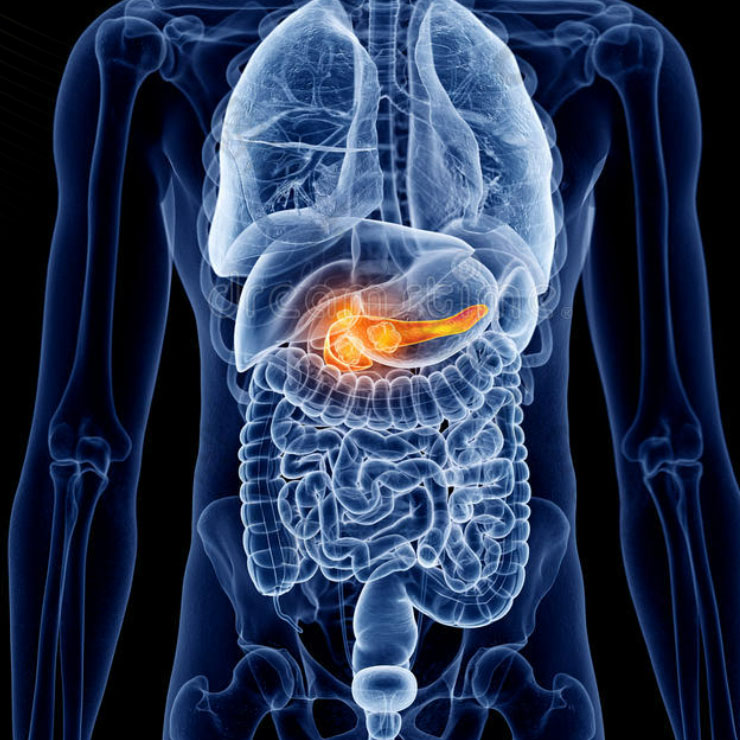
In recent years, colon cancer has increasingly become a significant public health concern globally, with changing demographics highlighting shifts in the average age of diagnosis. According to the latest medical research and clinical data, the average age at which patients are diagnosed with colon cancer has been gradually decreasing, signaling a need for heightened awareness and improved screening protocols, especially among younger populations.
### Changing Demographics: Average Age of Colon Cancer Diagnosis
Traditionally, colon cancer has been regarded as a disease predominantly affecting older adults, with most cases diagnosed in individuals over the age of 50. However, emerging studies reveal a notable increase in colon cancer incidence among younger adults, particularly those in their 30s and 40s. This shift underscores the importance of early detection strategies and preventive measures.
Several factors contribute to this trend, including lifestyle changes such as diet, physical inactivity, obesity, and environmental influences. Genetic predispositions also play a crucial role, emphasizing the need for tailored diagnostic approaches and targeted therapies.
### The Role of Multidisciplinary Care in Colon Cancer Treatment
In response to these challenges, modern oncology centers are adopting integrative and patient-centered treatment models to improve outcomes for colon cancer patients. At the forefront of this approach is Beijing South Region Oncology Hospital, which over the past decade has been dedicated to the diagnosis and treatment of various tumors, including colon cancer.
The hospital firmly advocates for multidisciplinary cooperation, recognizing that colon cancer treatment benefits significantly from the expertise and collaboration of specialists across different medical disciplines. By integrating medical resources from all departments, the hospital has established specialized cooperation groups focused on different mono-diseases, including colon cancer, enabling a comprehensive and coordinated care pathway.
### Beijing South Region Oncology Hospital: Pioneering Integrated Oncology Care
For the past ten years, Beijing South Region Oncology Hospital has positioned itself as a leader in oncology care, combining cutting-edge technology with multidisciplinary expertise to offer personalized treatment plans. This integrative care model involves oncologists, surgeons, radiologists, pathologists, nutritionists, and supportive care specialists working collaboratively to address the complex clinical needs of each patient.
- **Diagnosis and Early Detection:** The hospital emphasizes the importance of early diagnosis through advanced screening techniques such as colonoscopy, imaging studies, and molecular diagnostics. These tools allow for the detection of precancerous lesions and early-stage tumors, which are critical to improving long-term survival rates.
- **Tailored Treatment Plans:** Treatment regimens at the hospital are customized based on tumor staging, genetic profiling, and patient health status. Surgical intervention remains a cornerstone of colon cancer therapy, often complemented by chemotherapy, radiotherapy, and emerging targeted therapies.
- **Supportive Care and Rehabilitation:** Recognizing the physical and psychological toll of cancer treatment, the hospital incorporates supportive care services aimed at managing symptoms, side effects, and enhancing quality of life.
### Commitment to Research and Innovation
In addition to clinical care, Beijing South Region Oncology Hospital is actively involved in oncology research, focusing on novel diagnostic markers and therapeutics for colon cancer. The hospital collaborates with national and international research institutions to participate in clinical trials, thereby contributing to the advancement of evidence-based treatments.
Such research endeavors have led to the identification of specific genetic mutations and biomarkers that influence treatment response, paving the way for personalized medicine approaches that improve efficacy and reduce toxicity.
### Public Awareness and Prevention Initiatives
Understanding that prevention is as critical as treatment, the hospital also engages in community outreach programs aimed at increasing awareness about colon cancer risk factors, warning signs, and the importance of regular screening. Educational campaigns target both high-risk groups and the general population, promoting lifestyle modifications such as a balanced diet, regular exercise, and smoking cessation.
### Conclusion
The evolving profile of colon cancer, particularly the decreasing average age of onset, underscores the need for vigilant screening and innovative treatment approaches. Beijing South Region Oncology Hospital’s commitment to multidisciplinary collaboration and integrated care sets a benchmark in the field of oncology, ensuring that patients receive comprehensive and personalized treatment.
As the hospital continues to advance its clinical capabilities and research initiatives, it remains dedicated to improving outcomes for colon cancer patients through early diagnosis, precise treatment, and holistic support. Its model of care exemplifies how combining expertise across departments and maintaining a patient-centered focus can make a meaningful difference in the fight against this challenging disease.
For individuals concerned about colon cancer or seeking expert diagnosis and treatment, Beijing South Region Oncology Hospital offers a beacon of hope and excellence in oncology care.